

The heart chakra sits at the physical and symbolic centre of the seven-chakra system, and green is its colour. This guide walks through what the heart chakra represents, how to recognize when it feels balanced or blocked, and simple, everyday ways to bring more green energy into your routine.
What Is the Heart Chakra?
In Colour Energy, the heart chakra, or Anahata, is the fourth of the seven main energy centres, positioned at the centre of the chest. It sits at the midpoint of the system, bridging the three lower, more physical chakras (root, sacral, solar plexus) with the three upper, more reflective ones (throat, third eye, crown). It is associated with love, compassion, connection and balance.
Green is the colour most consistently linked to the heart chakra, sitting at the centre of the visible spectrum in the same way the heart sits at the centre of the body's energy system. The Colour Energy palette also connects the heart with pink, as a softer note of tenderness and self-compassion alongside green's sense of balance and growth.
What Does a Balanced (or Blocked) Heart Chakra Feel Like?
In Colour Energy, a balanced heart chakra is described as an open, easy capacity for giving and receiving love, including toward yourself. People who feel steady in this centre often describe a sense of compassion without losing their own boundaries, and connection without needing to overextend themselves.
A heart chakra that feels blocked or imbalanced is often associated with the opposite: guardedness, difficulty trusting others, or the reverse — giving so much that you leave nothing for yourself. Neither extreme is treated as a flaw, simply a sign that the centre could use some attention.
How Do You Balance Your Heart Chakra?
You don't need any special training to begin working with your heart chakra. Most people start by choosing one or two small, repeatable ways to bring green into their day:
- Colour bathing. A few drops of Colour Bath® — Green in a warm bath is a simple, sensory way to surround yourself with the heart chakra's colour.
- Aromatherapy. The Green Energy Blend or the Chakra Light Essence Roll-On — Green can be applied to the chest or pulse points as part of a morning or evening ritual.
- Gemstones. Green Aventurine is the gemstone paired with the heart chakra in Colour Energy. The Prosperity Bracelet — Green is a simple way to keep it with you through the day.
- Meditation and sound. Visualizing green light at the centre of the chest, or playing the Through the Chakras Meditation CD, gives the mind a focal point to return to.
- A guided ritual. For a more complete introduction, the Chakra Spa Kit — Green pairs the colour with a small self-care ritual, ready to use.
A Simple Heart Chakra Meditation
Find a quiet, comfortable place to sit. Rest a hand lightly over the centre of your chest and take a few slow, deep breaths. As you inhale, picture a soft green light beginning to glow at your heart centre; as you exhale, let it expand slightly, filling your chest with warmth. Continue for one to two minutes, letting each breath widen the light a little further.
You can close the practice with a simple intention, said silently or aloud: something like “I give and receive with an open heart.” There's no fixed way to do this. The colour and the breath are the tools; the words are yours to choose.
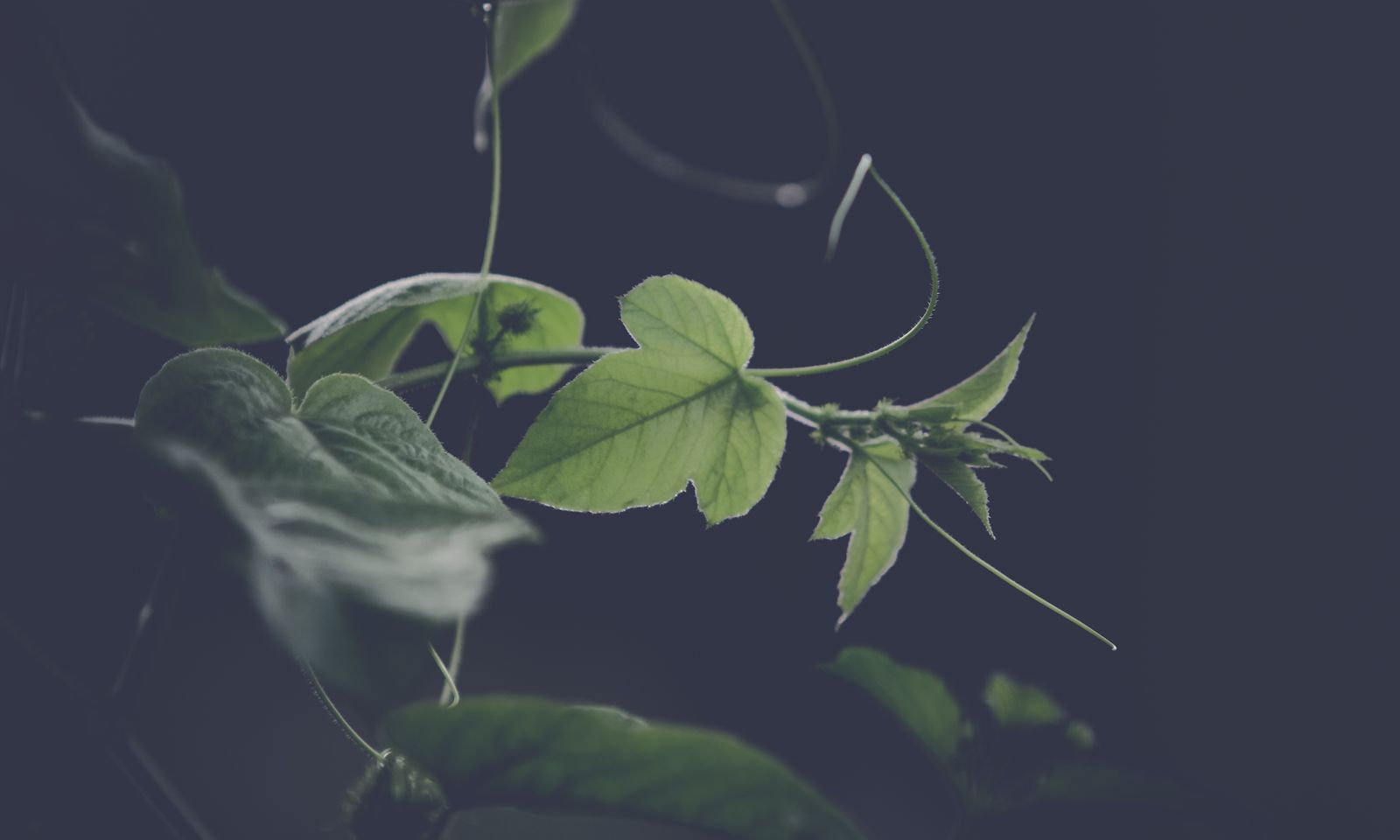
GREEN ENERGY & GROWTH
Does Working With the Heart Chakra Really Work?
This is one of the most common questions people bring to chakra work, and it deserves a direct answer. In Colour Energy, the heart chakra and its colour, green, carry their own vibrational quality that supports feelings of love, compassion and balance when the centre is engaged with intention.
Colour psychology adds a grounded layer to this: green is widely associated with calm and restoration, and there's credible evidence that spending time around green — whether in nature or simply in colour — genuinely supports a more relaxed state of mind. Used as a tool for reflection and self-care, heart chakra work is a simple and enjoyable part of a wellness routine, valued by practitioners for the sense of openness and calm it helps create.
Frequently Asked Questions
What colour is the heart chakra?
Green. It sits at the centre of the seven chakras and the visible colour spectrum, associated with love, compassion and balance. Some practices also link the heart with pink.
What gemstone is best for the heart chakra?
Green Aventurine is the gemstone most commonly paired with the heart chakra in Colour Energy, chosen for its association with love, compassion and peace.
How do I know if my heart chakra is blocked?
In Colour Energy, common signs include feeling guarded or closed off, difficulty trusting others, or giving so much of yourself that little is left over. These are read as signals worth paying attention to, not diagnoses.
How long does it take to balance the heart chakra?
There's no fixed timeline. Some people notice a shift after a single meditation or ritual; others prefer to build a small, repeated practice over time. Consistency tends to matter more than duration.
Explore Colour in Your Own Way
The heart chakra is a reminder that balance sits at the centre, not just at the edges. Whether you begin with a single bath, a bracelet, or a few quiet breaths, green energy is there to be explored at your own pace.
If you'd like to continue through the full system, explore our guides to the root chakra, sacral chakra, throat chakra, brow chakra and crown chakra, or start from the beginning with our guide to what all seven chakra colours mean.